ACL Reconstruction & Return-to-Sport-Your Complete Guide
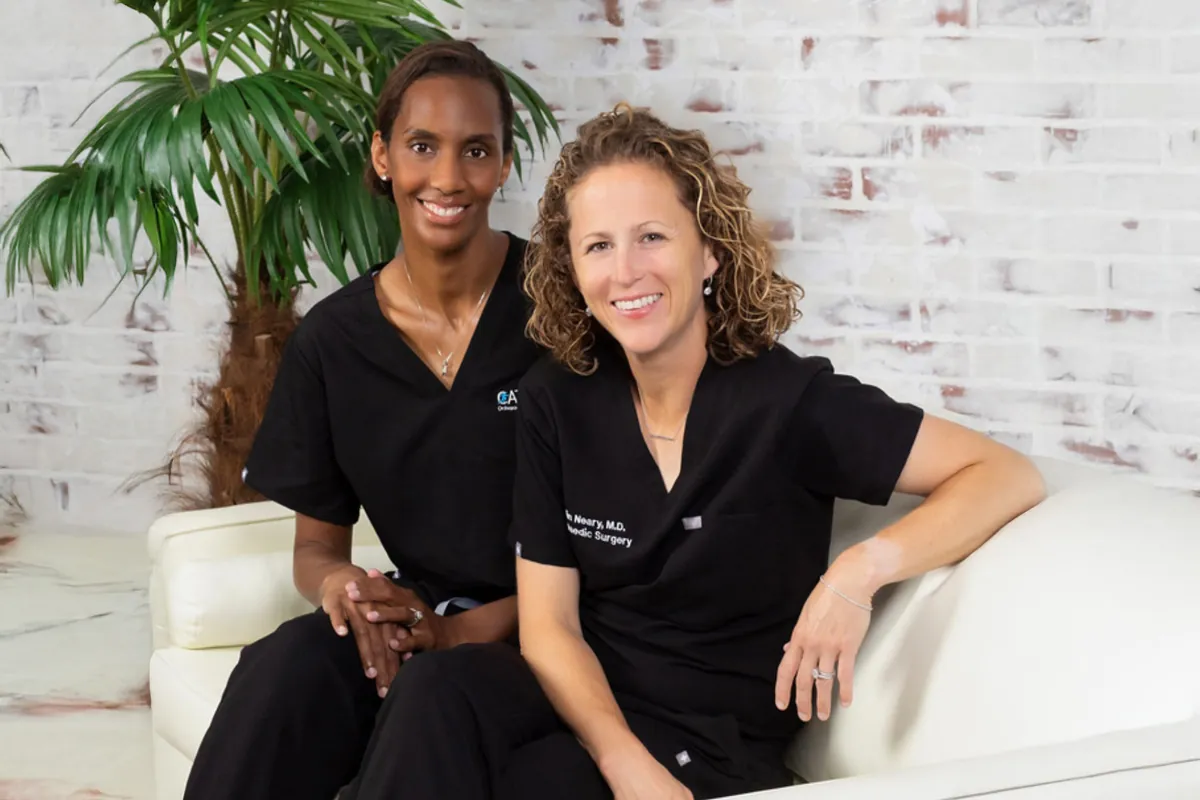
Understanding ACL Injuries: What Actually Happens? The anterior cruciate ligament (ACL) is one of the key stabilisers of your knee, preventing excessive forward movement of the shinbone and controlling rotation. Most tears occur during sports that involve: Sudden changes of direction (cutting) Pivoting on a planted foot Awkward landings from jumps Rapid deceleration or direct knee contact Many athletes report hearing or feeling a “pop,” followed by swelling, pain, and a sense of the knee “giving way.” Do You Need Surgery? It Depends on Your Goals Not every ACL tear requires surgery. The decision hinges on your activity level, knee stability, and future plans. ACL reconstruction is often recommended if you: Plan to return to cutting, pivoting, or contact sports (soccer, basketball, football, skiing) Experience repeated knee buckling during daily activities Have combined injuries (meniscus or cartilage damage) Are young, active, and want to protect your knee long-term Some lower-demand individuals may do well with bracing and physical therapy alone. Your surgeon will help you weigh the options during a personalized consultation. What Happens During ACL Reconstruction? During surgery, your torn ACL is replaced with a graft—typically taken from your own patellar tendon, hamstring, or quadriceps tendon, or occasionally from donor tissue. The procedure is minimally invasive, performed arthroscopically through small incisions. Our surgical specialists include: Dr. Tracye Lawyer – Fellowship-trained in sports medicine, specializing in knee arthroscopy, cartilage preservation, and complex ligament reconstruction. Learn more about Dr. Lawyer → Dr. Kaitlin Neary – Board-certified orthopaedic surgeon with advanced training in sports medicine and foot/ankle surgery. Learn more about Dr. Neary → ACL Recovery Timeline: Milestones Over Months Note: Returning before 9 months increases reinjury risk. We focus on objective milestones, not just the calendar. Phase Goals Typical Activities 0–2 Weeks Pain/swelling control, early motion Gentle ROM exercises, quad activation, crutch use 2–6 Weeks Restore motion, normalize gait Mini-squats, bridges, weaning off crutches 6–12 Weeks Build strength & control Balance training, stationary bike, light gym work 3–6 Months Early running & sport patterns Jogging, agility drills, no cutting/contact yet 9–12+ Months Return to sport Hop tests, sport-specific drills, final clearance How We Decide You’re Ready to Return We use multiple objective measures before clearing athletes: Strength Symmetry – Quad/hamstring strength within ~90% of uninjured leg Functional Testing – Hop tests, balance, agility drills Movement Quality – No knee collapse or poor landing mechanics Psychological Readiness – Confidence, not fear Sport-Specific Demands – Tailored progressions for your activity Why Choose Catalyst for Your ACL Recovery? At Catalyst Orthopaedics & Sports Medicine, we combine advanced surgical techniques with personalized, athlete-focused care. Our approach includes: Same-week new-patient access for acute injuries Close coordination with physical therapists Joint preservation emphasis (cartilage/meniscus) Guidance on bracing, cross-training, and safe sport progression For a broader look at our sports medicine services, visit our Orthopaedic Sports Medicine in Boise & Meridian page. When to Contact Your Care Team Sooner Reach out promptly if you experience: Fever, chills, or worsening incision redness Sudden pain/swelling after a new activity New “pop” or knee buckling sensation Calf pain/swelling (possible blood clot) If severe pain, inability to bear weight, or signs of infection/clot occur, seek emergency care. Taking the Next Step Wondering if surgery is right for you—or if you’re truly ready to return? Let’s talk. Request an appointment online via our Request an Appointment page or call our office directly. Together, we’ll build a plan that respects your long-term knee health and athletic goals.


Cartilage Regeneration Therapy & Repair
At Second Look Orthopedics, we understand the importance of exploring all treatment options, including cutting-edge therapies like cartilage regeneration, to ensure our patients make the most informed decisions about their health. What Is Cartilage Regeneration Therapy? Cartilage regeneration therapy is a groundbreaking medical procedure designed to use the body's inherent healing abilities to mend damaged cartilage. The process begins with the extraction of cartilage cells from the patient, which are then cultivated in a laboratory setting. Once these cells have been multiplied, they are re-implanted into the damaged joint area, thereby stimulating the growth of healthy, new cartilage tissue. This innovative approach not only helps to repair damaged or degraded cartilage but also holds the potential to significantly improve joint function and reduce pain. Who Can Benefit From Cartilage Regeneration Therapy? Cartilage regeneration therapy is especially beneficial for a wide range of individuals, including: Those with Joint Degeneration: Individuals experiencing joint degeneration due to age or overuse can see substantial improvements. Athletes: Sports-related cartilage injuries are common, and athletes can greatly benefit from this therapy to return to their peak performance levels. Chronic Pain Sufferers: Patients experiencing chronic joint pain, particularly in areas such as the knees, elbows, shoulders, wrists, hips or ankles, may find relief through cartilage Regeneration Therapy. Specific Conditions: Conditions well-suited for this treatment include osteoarthritis, cartilage wear and tear due to aging or injury, and certain joint disorders. What Are the Advantages of Choosing Cartilage Regeneration Therapy Over Traditional Treatments? Choosing cartilage regeneration therapy has several important advantages over traditional surgical methods: Reduced Recovery Time: Compared to conventional surgery, cartilage regeneration therapy significantly shortens the recovery period, enabling patients to resume their normal activities more quickly. Lowered Risk of Complications: Utilizing the patient's own cells minimizes the risk of complications such as infections or graft rejection, making the procedure safer. Durable and Personalized Repair: This modern approach often yields more durable and long-lasting results. The treatment is highly personalized, tailored to each patient's unique injury and situation, ensuring optimal outcomes. At Second Look Orthopedics, Dr. Lawyer is dedicated to assessing whether cartilage regeneration therapy is the right choice for you. If deemed suitable, we'll recommend a provider in your area who specializes in this advanced treatment, ensuring you receive the care you need. Consult With Second Look Orthopedics For Virtual Cartilage Regeneration Consultation If you're exploring your options for addressing orthopedic injuries and considering the potential of cartilage regeneration therapy, Second Look Orthopedics is here to provide expert guidance. Our virtual orthopedic consultations offer the convenience of getting a second opinion from the comfort of your home, saving you time and providing direct access to specialized care. Sign up today for a second opinion on any orthopedic injury and take the first step towards discovering if cartilage regeneration therapy is right for you.
Recent Blogs


Categories
- Counselling(0)
- Latest(5)
- Second Opinion On(2)
- Orthopedics(0)