Beyond Cortisone: Modern Approaches to Chronic Hip Pain
For decades, the orthopedic "playbook" for chronic hip pain has been incredibly boring and often ineffective. A patient walks in, points to a deep ache in their groin or lateral hip, and walks out with a prescription for high-dose Ibuprofen or a scheduled date for a cortisone shot. It’s a "band-aid" culture. While these injections can act as a temporary mute button for inflammation, they almost never address the actual volume knob of the problem. In modern sports medicine, we are finally moving away from the "poke and hope" method. We are entering an era where the goal isn’t just to stop the hurting for a month, but to actually change the environment inside the joint. If you feel like you’re on a medical treadmill getting relief for six weeks only to have the pain roar back it’s time to look at what’s actually happening under the surface. The Problem with the "Steroid Cycle" Cortisone is a powerful anti-inflammatory, no doubt about it. In the short term, it can feel like a miracle. But it is a treatment of diminishing returns. The more you get, the less they work. Even worse, recent clinical data suggests that repeated steroid injections can actually lead to "chondrotoxicity" basically, the steroid starts to eat away at the very cartilage it’s supposed to be protecting. If you are dealing with chronic hip pain, you’ve probably noticed those windows of relief getting shorter and shorter. This isn't because your hip is "broken" beyond repair; it’s because the treatment is chemical, but the problem is often mechanical. We need to stop masking the smoke and start looking at the fire. Regenerative Medicine: The New Standard The most exciting shift in orthopedics is the move toward biological restoration. Instead of injecting a synthetic chemical to suppress the immune system, we are looking at how to help the body stabilize itself. Dr. Lawyer’s specific focus on cartilage regeneration therapy and repair is a perfect example of this shift. When the cartilage in the hip starts to thin whether from an old labral tear or early-stage wear the joint loses its "glide." Modern approaches aim to support the remaining tissue and optimize the joint fluid. It’s the difference between just oiling a rusty hinge and actually fixing the alignment of the door. Is it Arthritis, or Something Else? The word "arthritis" is often thrown around as a catch-all diagnosis, but it’s frequently lazy. Chronic hip pain can be caused by femoroacetabular impingement (FAI), bursitis, or even referred pain from a disc in your lower back. Treating all of these with the same generic cortisone shot is a mistake. This is why a second opinion on hip pain is so valuable. A specialist with a fresh set of eyes might look at your MRI and see a subtle bone spur or a labral tear that the initial radiologist glossed over. If the "why" of your pain is mechanical, a chemical injection will never be a long-term fix. You need a plan that addresses how your hip actually moves. Biomechanics Over Band-Aids We often treat the hip like a simple ball-and-socket, but it’s controlled by some of the most powerful muscles in the human body. Often, hip pain persists because the glutes and core have "shut down" due to pain, causing the joint to take a beating it wasn't designed for. Long-term joint health is about stability. Much like the precision required for recovery from ACL surgery, hip recovery requires retraining your body to unload the joint. If you can fix the way you move, you can often stop the degradation of the cartilage entirely. The Virtual Path to Clarity Most people stay stuck in the "steroid cycle" because the alternative seems exhausting more appointments, more driving, more waiting rooms. However, the rise of virtual orthopedic consultations has leveled the playing field. A virtual second opinion allows a board-certified expert to look at the MRI images you already have and give you a straight answer. Are you actually a candidate for regenerative therapy? Is that "impingement" really the cause of your pain? You can get these answers without leaving your house. It’s about getting a specialist's brain, not just their prescription pad. The Bottom Line Cortisone has a role, but it shouldn't be the only role. From advanced biological treatments to high-level biomechanical retraining, the options for chronic hip pain have never been better. Don't let a "standard" treatment plan keep you from a modern recovery. Stop Guessing. Start Healing. If your current hip treatment has hit a dead end, it’s time for a professional "second look." Connect with a specialist who understands the latest in regenerative care and joint preservation. Book Your Virtual Hip Consultation Now


Why Resting Your Knee Isn't Solving Instability and When to Consult a Specialist
Beyond the R.I.C.E. Protocol: Why Resting Your Knee Isn't Solving Instability and When to Consult a Specialist If you have recently suffered a knee injury, your first instinct was likely to follow the age-old advice “Rest, Ice, Compression, and Elevation”. This is known as the R.I.C.E. protocol. For many, this formula is the gold standard for the first 48 hours. You sit on the couch, the swelling goes down, and the sharp pain fades. But then you stand up. You try to walk down a flight of stairs or turn a corner quickly, and your knee feels off. It feels loose, wobbly, or like it might buckle. If you are resting but still feeling persistent knee instability, you are likely dealing with a structural issue that ice packs cannot fix. Why Rest Can Sometimes Be a Trap In 2026, orthopedic science has shifted. We now know that while rest helps with inflammation, prolonged inactivity can actually make an injury worse. When you stop moving, your quadriceps and hamstrings the muscles that act as a natural brace for your joint begin to weaken (atrophy) in as little as 48 hours. Without these muscles firing correctly, a minor knee injury can turn into a chronic problem because the joint no longer has its secondary support system. This is why many patients feel like they are stuck in a cycle of feeling better while sitting, but feeling unstable the moment they return to activity. The 3 Hidden Causes of Instability When a knee feels untrustworthy after the initial pain is gone, it is usually due to one of these three factors that rest alone cannot repair: Micro-Instability from Ligament Laxity: Even a Grade 1 ACL injury or MCL sprain can leave the ligament slightly stretched. Like a loose rubber band, it no longer holds the bones in perfect alignment during a twist or turn. Proprioceptive Loss: Your knee is full of tiny sensors that tell your brain where your leg is in space. After an injury, these sensors go quiet. Passive rest won't reactivate your joints natural sensors; only precise, targeted movement can restore that vital brain to knee connection. Meniscal Mechanical Interference: A small, painless tear in the meniscus can act like a pebble in a shoe. It doesn’t always hurt, but it causes the joint to slip or catch unexpectedly. For those looking for Fast Knee Pain Relief, the goal must shift from avoiding pain to restoring stability. When to Seek a Second Look Many patients are told by general doctors to just give it time. But if you are an active person, time is not a treatment plan. You should seek a specialist second opinion if: Your knee gives way during simple tasks like walking on uneven grass. You feel a shifting sensation when you change directions. You are confused about whether you need ACL Surgery Or Can You Heal? At SecondLookOrtho, we specialize in these gray area cases. We use 2026 standard diagnostic tools to see what the first look might have missed. Our goal is to give you a definitive path forward so you are not just waiting to get better, but actively healing. Moving Beyond the Couch The R.I.C.E. protocol is a great start, but it is not a finish line. True recovery requires a balance of protection and progressive loading. If your knee still feels like it belongs to someone else, it's time to stop guessing and start getting answers. Your movement is your freedom. Don't let a wobbly knee take that away from you. Regain Your Confidence with SecondLookOrtho Stop living in the wait and see zone. If your knee is not responding to rest, it is telling you something is wrong. At SecondLookOrtho, we provide the expert clarity you need to move with total trust again. Don't let an unstable knee hold you back. Contact Us for a professional assessment and start your journey toward a stronger, more stable recovery.
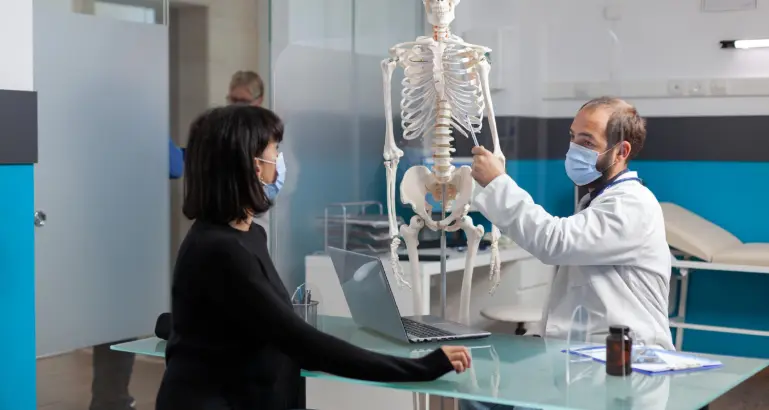
Fast Knee Pain Relief: Causes, Home Remedies & Treatments
Knee pain is one of the most common orthopedic conditions in the United States, affecting people of all ages and activity levels. Whether you’re experiencing a dull knee ache after a long day, sharp pain while walking, or chronic knee joint discomfort, finding fast and effective relief is essential. At Second Look Orthopedics, we specialize in helping patients understand the root cause of their knee pain and explore both non-surgical and advanced treatment options. If you’re searching for the fastest way to relieve knee pain, this guide will walk you through causes, home remedies, and professional solutions. What Causes Knee Pain? Understanding the cause of knee pain is the first step toward long-term relief. Knee joint pain can result from injuries, overuse, mechanical issues, or medical conditions such as arthritis. Common Causes of Knee Pain 1. Inflammation Knee inflammation often causes swelling, warmth, and stiffness. Treatment focuses on reducing inflammation and preventing further joint damage. 2. Osteoarthritis One of the leading causes of chronic knee pain in adults, especially women and older individuals. Osteoarthritis occurs when cartilage breaks down, leading to joint friction and pain. 3. Overuse Injuries Repetitive activities like running, climbing stairs, or prolonged standing can lead to: Runner’s knee Tendonitis Patellofemoral pain syndrome 4. Mechanical Problems Torn cartilage (meniscus injury) Loose bone fragments Dislocated kneecap Ligament injuries (ACL, MCL) If you’re wondering, “Why does my knee hurt when I walk?” the cause is often related to joint misalignment, cartilage wear, or inflammation. How to Relieve Knee Pain Fast at Home For mild to moderate knee pain, home remedies can be very effective. The R.I.C.E. Method (Best for Acute Knee Pain) Rest – Avoid activities that worsen the pain.Ice – Apply ice for 15–20 minutes several times daily to reduce swelling.Compression – Use a knee brace or elastic wrap for support.Elevation – Keep the knee elevated above heart level when possible. This method is especially helpful for knee swelling, inflammation, and burning sensations. Over-the-Counter Knee Pain Medicine Nonsteroidal anti-inflammatory drugs (NSAIDs) such as: Ibuprofen Naproxen These medications reduce both pain and inflammation. Always consult a healthcare professional before beginning new medication. How to Reduce Knee Pain While Walking If walking causes discomfort, try these strategies: Wear Supportive Footwear Proper arch support reduces stress on the knee joint. Use a Knee Brace A brace stabilizes the joint and reduces pressure during movement. Choose Softer Surfaces Walking on grass or tracks instead of concrete reduces impact. Knee Pain in Women: Why It’s More Common Women are statistically more likely to experience knee joint pain due to anatomical differences such as a wider pelvis, which affects knee alignment (Q-angle). Strengthening exercises targeting: Quadriceps Hamstrings Hip abductors can significantly reduce long-term knee pain in women. Professional Treatment for Chronic Knee Pain If home remedies don’t provide relief, it may be time to consult an orthopedic specialist. At Second Look Orthopedics, we provide personalized evaluations to determine the exact cause of your knee pain. Physical Therapy Targeted physical therapy can: Improve joint stability Strengthen surrounding muscles Correct walking mechanics Reduce long-term knee pain Injection-Based Treatments For patients seeking non-surgical knee pain relief, options include: Corticosteroid Injections Provide rapid relief from severe inflammation. Hyaluronic Acid Injections Help lubricate arthritic joints and improve mobility. Platelet-Rich Plasma (PRP) A regenerative treatment that supports natural tissue healing. Long-Term Knee Pain Prevention Preventing recurrence is just as important as treatment. Maintain a Healthy Weight Every extra pound adds four pounds of pressure on the knees while walking. Strength Training Strong leg muscles protect and stabilize the knee joint. Improve Flexibility Stretching calves, hamstrings, and hip flexors helps prevent misalignment. When to See an Orthopedic Specialist Seek immediate medical attention if you experience: Inability to bear weight Severe swelling with fever Joint deformity Locking or inability to straighten the knee Persistent knee pain that doesn’t improve If knee pain is affecting your mobility or daily activities, a professional evaluation is essential. Get Expert Knee Pain Relief at Second Look Orthopedics Knee pain doesn’t have to limit your lifestyle. Whether you’re dealing with a recent injury, chronic knee pain, or considering surgery, getting a second opinion can help you make confident decisions about your care. At Second Look Orthopedics, we focus on accurate diagnosis, non-surgical solutions, and personalized treatment plans designed to get you moving again. Visit: Secondlookortho.com Schedule your consultation and take the first step toward lasting knee pain relief.
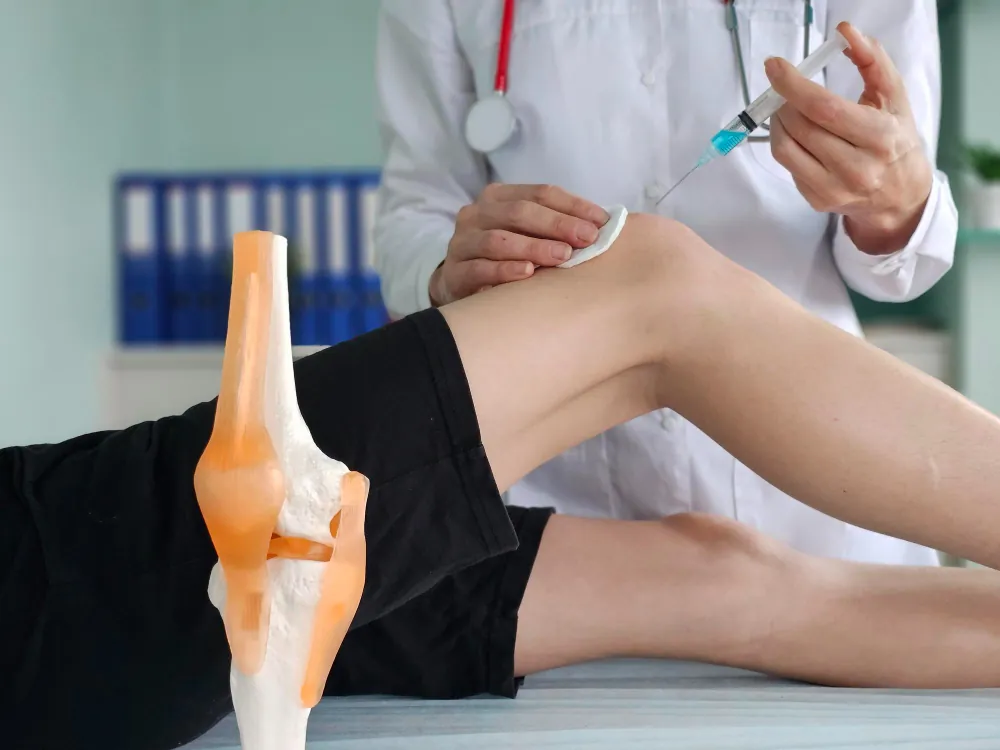
Do You Need Surgery for a Torn Meniscus?
Do You Need Surgery for a Torn Meniscus? Torn meniscus surgery is not always the first or only option. Many tears, especially stable ones in well-vascularized areas, can heal effectively with non-surgical management. The decision is highly individual and depends on the tear's characteristics and your specific symptoms and activity goals. Understanding Your Meniscus Tear Your meniscus is a crucial shock absorber in your knee. Tears are often described by their pattern (like bucket-handle, flap, or degenerative) and, more importantly, their location, which significantly influences healing potential. The Red-Red Zone: The outer third has a good blood supply. Tears here have the best potential for healing, often with non-surgical care or repair. The Red-White Zone: The middle third has a limited blood supply. Healing is less predictable. The White-White Zone: The inner two-thirds has no direct blood supply. Tears in this area typically cannot heal on their own. Treatment Pathways: From Conservative Care to Surgery The right path for you is determined by a careful evaluation of your needs and lifestyle. Non-Surgical Treatment is often the starting point, especially for stable, less symptomatic tears. It focuses on reducing pain and inflammation (using the RICE protocol and medications) and restoring function through targeted physical therapy to strengthen the muscles around the knee. Injections, such as corticosteroids, may provide short-term relief. Surgical Intervention becomes a consideration when the knee is mechanically unstable, locks, or if significant symptoms persist despite a dedicated non-surgical program. The two main arthroscopic procedures are: Meniscus Repair: Suturing the torn pieces together. This is attempted for tears in the vascular "red" zones, especially in younger patients, to preserve the critical cushioning tissue and reduce the risk of long-term arthritis. Meniscus Resection (Partial Meniscectomy): Trimming away the torn, unstable fragment. This is for tears in the non-healing "white" zone, providing symptom relief but removing tissue. Key Factors in Your Treatment Decision Your orthopedic specialist will guide you by evaluating: Tear Characteristics: Size, pattern, and most importantly, location relative to the blood supply. Your Symptoms: Does your knee lock, give way, or is the primary issue activity-related pain and swelling? Your Age & Activity Level: A young athlete with an unstable tear has different considerations than an older individual with a degenerative, age-related tear. Associated Injuries: Tears often accompany ACL injuries, which may influence the treatment plan. Why a Second Opinion Matters for Your Knee Care Given the nuances in diagnosis and treatment, seeking a second opinion from an orthopedic sports medicine specialist is a proactive step for your care. It's particularly valuable when: Surgery is the first and only option presented. Your symptoms persist after initial treatment. You want to explore all non-surgical alternatives or understand if you are a candidate for meniscus repair versus removal. You seek clarity on the long-term implications of each treatment option for your knee health. A virtual second opinion from a platform like SecondLook Ortho allows you to conveniently get expert insight from a board-certified, fellowship-trained specialist like Dr. Tracye Lawyer, who can review your MRI and provide a detailed analysis of your specific tear and all appropriate treatment pathways. Next Steps for Your Knee Health If you're navigating a meniscus tear diagnosis, remember that you have options. Arming yourself with information is powerful. Consider a virtual orthopedic consultation to get a clear, expert second perspective on your MRI and treatment plan. This ensures your final decision aligns with both your immediate recovery goals and your long-term joint health. The need for surgery is not automatic. Many tears heal with dedicated non-surgical care. A precise diagnosis of your tear's location is the most critical factor in determining the right path forward for you.
ACL Surgery: Always Needed, Or Can You Heal?
ACL Surgery: Always Needed, Or Can You Heal? A ruptured anterior cruciate ligament (ACL) is a serious knee injury that often brings an athlete's season to a halt and leaves many wondering about their next step. The immediate question on most patients' minds is urgent and clear: "Do I need surgery, and do I need it right now?" The answer is not a simple yes or no. While a complete ACL tear cannot heal on its own, surgery is not always an immediate emergency. The decision for ACL reconstruction surgery is highly personalized and depends on your activity level, age, future goals, and the stability of your knee. Understanding the ACL and the Impact of a Tear The ACL is a critical ligament deep within your knee that provides rotational stability. It prevents your shinbone (tibia) from sliding too far forward and controls excessive twisting. When you tear your ACL, you lose this primary stabilizer, which can lead to the knee "giving way" or buckling during activities that involve cutting, pivoting, or sudden stops. Surgery vs. Non-Surgical Management: Who Needs What? The choice between surgical and non-surgical treatment hinges on your demand level—the physical intensity you expect from your knee. Non-Surgical Treatment (Rehabilitation & Activity Modification) This path focuses on intensive physical therapy to strengthen the muscles around the knee—particularly the hamstrings and quadriceps—to compensate for the lost ligament. It may be a viable option if: You have a low activity level and do not participate in sports or work that requires cutting, pivoting, or jumping. You are willing to permanently modify your activities to avoid those that cause instability. Your knee remains stable during daily living activities after a period of rehabilitation. Without an ACL, the knee is at a significantly higher risk for further injury. Non-surgical management carries a substantial risk of subsequent meniscus tears and articular cartilage damage from instability episodes, which can accelerate the development of post-traumatic osteoarthritis. ACL Reconstruction Surgery Surgery is typically recommended for individuals who wish to return to a dynamic lifestyle. You are likely a candidate for ACL reconstruction if: You are an athlete in a sport requiring cutting, pivoting, or jumping (e.g., soccer, basketball, football, skiing). You have a physically demanding job (e.g., military, construction, first responder). You experience recurrent episodes of your knee giving way during daily activities. You have associated injuries, such as a significant meniscus tear that requires repair. You are young and active, with a long-term goal of maintaining an unrestricted lifestyle. Surgery involves replacing the torn ligament with a graft (often from your own hamstring tendon, patellar tendon, or quadriceps tendon, or from a donor). The goal is to restore stability, prevent further injury to the meniscus and cartilage, and allow a return to high-level activities. Is ACL Surgery an Emergency? Understanding the Timeline A torn ACL is rarely a surgical emergency. However, it can be an orthopedic urgency in specific cases: A locked knee due to a concurrent bucket-handle meniscus tear. A multi-ligament knee injury (e.g., ACL, MCL, and PCL all torn). For a standard, isolated ACL tear, surgery is almost never performed the same day or week. A critical best-practice period is a pre-surgical rehabilitation phase of 3-6 weeks. This "pre-hab" is crucial to: Reduce initial pain and swelling. Restore full range of motion (especially full extension). Regain good quadriceps control. Surgery performed on a swollen, stiff knee with poor muscle control leads to a much more difficult recovery and a higher risk of arthrofibrosis (excessive scar tissue). Key Factors in Your Decision Your orthopedic surgeon will discuss several factors to determine the best path: Activity Level & Goals: This is the most important factor. What do you need and want your knee to do? Age: While not a strict limit, age is considered alongside activity demands. Degree of Instability: Does your knee buckle during simple tasks like walking? Associated Injuries: The presence of repairable meniscus tears or other ligament injuries often tilts the decision toward surgery. Willingness to Modify Activities: Are you ready to give up sports and high-impact activities permanently? The Critical Role of a Second Opinion Given the significant, life-altering nature of an ACL injury and the complex decision between major surgery and major lifestyle change, seeking a second opinion from a sports medicine orthopedic specialist is one of the most important steps you can take. A second opinion is invaluable when: You feel pressure to make a quick decision about surgery. You want to ensure you are a true candidate for non-surgical management and fully understand the long-term risks. You want to explore all graft choice options (patellar tendon vs. hamstring vs. quadriceps vs. donor) for reconstruction. Your symptoms or the recommended treatment plan don't seem to align with your research or gut feeling. You seek clarity on the realistic recovery timeline and what rehabilitation truly entails. Your Next Step Toward a Stable Knee A ruptured ACL is a significant injury, but with modern treatment, a full return to an active life is the expected outcome. The journey begins with accurate information and a personalized plan. Do not rush into a decision. Use the initial weeks after injury for dedicated pre-habilitation. Use that time to educate yourself and, if any doubts remain, seek a expert second opinion. A virtual consultation with a board-certified, fellowship-trained orthopedic sports medicine surgeon at SecondLook Ortho allows you to get a comprehensive review of your MRI, discuss your specific goals, and understand all your options from an expert who specializes in these complex decisions. Take control of your recovery. Get the clarity you need to choose the path that's right for your body and your life.
Recent Blogs
Categories
- Counselling(0)
- Latest(5)
- Second Opinion On(2)
- Orthopedics(0)