

ACL Reconstruction & Return-to-Sport-Your Complete Guide
An ACL tear can feel like the end of your athletic journey—but it doesn’t have to be. At Catalyst Orthopaedics & Sports Medicine, we’ve helped countless athletes in Boise, Meridian, and across the Treasure Valley return stronger to the sports they love. With a modern, milestone-driven approach, most athletes safely return to cutting, pivoting, and contact sports in 9–12 months. This guide walks you through what to expect—from injury to recovery—and how our team can help you reclaim your game.
Understanding ACL Injuries: What Actually Happens?
The anterior cruciate ligament (ACL) is one of the key stabilisers of your knee, preventing excessive forward movement of the shinbone and controlling rotation. Most tears occur during sports that involve:
- Sudden changes of direction (cutting)
- Pivoting on a planted foot
- Awkward landings from jumps
- Rapid deceleration or direct knee contact
Many athletes report hearing or feeling a “pop,” followed by swelling, pain, and a sense of the knee “giving way.”
Do You Need Surgery? It Depends on Your Goals
Not every ACL tear requires surgery. The decision hinges on your activity level, knee stability, and future plans.
ACL reconstruction is often recommended if you:
- Plan to return to cutting, pivoting, or contact sports (soccer, basketball, football, skiing)
- Experience repeated knee buckling during daily activities
- Have combined injuries (meniscus or cartilage damage)
- Are young, active, and want to protect your knee long-term
Some lower-demand individuals may do well with bracing and physical therapy alone. Your surgeon will help you weigh the options during a personalized consultation.
What Happens During ACL Reconstruction?
During surgery, your torn ACL is replaced with a graft—typically taken from your own patellar tendon, hamstring, or quadriceps tendon, or occasionally from donor tissue. The procedure is minimally invasive, performed arthroscopically through small incisions.
Our surgical specialists include:
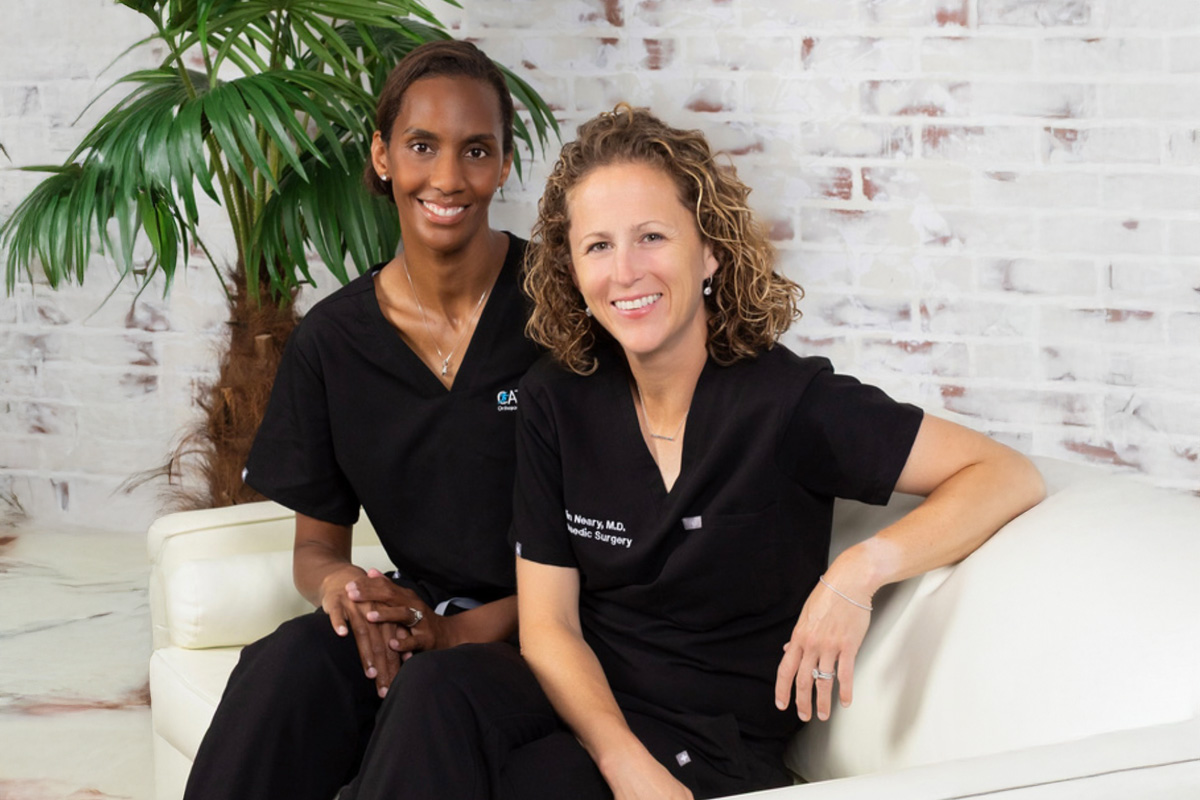
- Dr. Tracye Lawyer – Fellowship-trained in sports medicine, specializing in knee arthroscopy, cartilage preservation, and complex ligament reconstruction. Learn more about Dr. Lawyer →
- Dr. Kaitlin Neary – Board-certified orthopaedic surgeon with advanced training in sports medicine and foot/ankle surgery. Learn more about Dr. Neary →
ACL Recovery Timeline: Milestones Over Months
Note: Returning before 9 months increases reinjury risk. We focus on objective milestones, not just the calendar.
|
Phase |
Goals |
Typical Activities |
|---|---|---|
|
0–2 Weeks |
Pain/swelling control, early motion |
Gentle ROM exercises, quad activation, crutch use |
|
2–6 Weeks |
Restore motion, normalize gait |
Mini-squats, bridges, weaning off crutches |
|
6–12 Weeks |
Build strength & control |
Balance training, stationary bike, light gym work |
|
3–6 Months |
Early running & sport patterns |
Jogging, agility drills, no cutting/contact yet |
|
9–12+ Months |
Return to sport |
Hop tests, sport-specific drills, final clearance |
How We Decide You’re Ready to Return
We use multiple objective measures before clearing athletes:
- Strength Symmetry – Quad/hamstring strength within ~90% of uninjured leg
- Functional Testing – Hop tests, balance, agility drills
- Movement Quality – No knee collapse or poor landing mechanics
- Psychological Readiness – Confidence, not fear
- Sport-Specific Demands – Tailored progressions for your activity
Why Choose Catalyst for Your ACL Recovery?
At Catalyst Orthopaedics & Sports Medicine, we combine advanced surgical techniques with personalized, athlete-focused care. Our approach includes:
- Same-week new-patient access for acute injuries
- Close coordination with physical therapists
- Joint preservation emphasis (cartilage/meniscus)
- Guidance on bracing, cross-training, and safe sport progression
For a broader look at our sports medicine services, visit our Orthopaedic Sports Medicine in Boise & Meridian page.
When to Contact Your Care Team Sooner
Reach out promptly if you experience:
- Fever, chills, or worsening incision redness
- Sudden pain/swelling after a new activity
- New “pop” or knee buckling sensation
- Calf pain/swelling (possible blood clot)
If severe pain, inability to bear weight, or signs of infection/clot occur, seek emergency care.
Taking the Next Step
Wondering if surgery is right for you—or if you’re truly ready to return? Let’s talk.
Request an appointment online via our Request an Appointment page or call our office directly. Together, we’ll build a plan that respects your long-term knee health and athletic goals.


Recent Blogs
Categories
- Counselling(0)
- Latest(4)
- Second Opinion On(2)
- Orthopedics(0)