

Do You Need Surgery for a Torn Meniscus?
Torn meniscus surgery is not always the first or only option. Many tears, especially stable ones in well-vascularized areas, can heal effectively with non-surgical management. The decision is highly individual and depends on the tear's characteristics and your specific symptoms and activity goals.
Do You Need Surgery for a Torn Meniscus?
Torn meniscus surgery is not always the first or only option. Many tears, especially stable ones in well-vascularized areas, can heal effectively with non-surgical management. The decision is highly individual and depends on the tear's characteristics and your specific symptoms and activity goals.
Understanding Your Meniscus Tear
Your meniscus is a crucial shock absorber in your knee. Tears are often described by their pattern (like bucket-handle, flap, or degenerative) and, more importantly, their location, which significantly influences healing potential.
-
The Red-Red Zone: The outer third has a good blood supply. Tears here have the best potential for healing, often with non-surgical care or repair.
-
The Red-White Zone: The middle third has a limited blood supply. Healing is less predictable.
-
The White-White Zone: The inner two-thirds has no direct blood supply. Tears in this area typically cannot heal on their own.
Treatment Pathways: From Conservative Care to Surgery
The right path for you is determined by a careful evaluation of your needs and lifestyle.
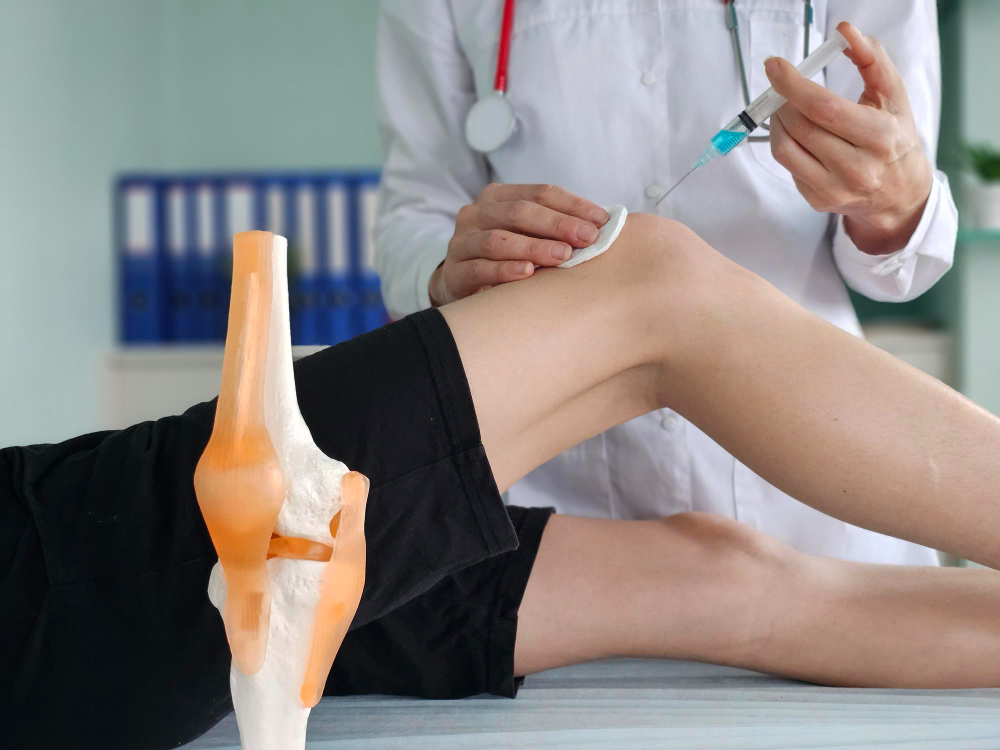
Non-Surgical Treatment is often the starting point, especially for stable, less symptomatic tears. It focuses on reducing pain and inflammation (using the RICE protocol and medications) and restoring function through targeted physical therapy to strengthen the muscles around the knee. Injections, such as corticosteroids, may provide short-term relief.
Surgical Intervention becomes a consideration when the knee is mechanically unstable, locks, or if significant symptoms persist despite a dedicated non-surgical program. The two main arthroscopic procedures are:
-
Meniscus Repair: Suturing the torn pieces together. This is attempted for tears in the vascular "red" zones, especially in younger patients, to preserve the critical cushioning tissue and reduce the risk of long-term arthritis.
-
Meniscus Resection (Partial Meniscectomy): Trimming away the torn, unstable fragment. This is for tears in the non-healing "white" zone, providing symptom relief but removing tissue.
Key Factors in Your Treatment Decision
Your orthopedic specialist will guide you by evaluating:
-
Tear Characteristics: Size, pattern, and most importantly, location relative to the blood supply.
-
Your Symptoms: Does your knee lock, give way, or is the primary issue activity-related pain and swelling?
-
Your Age & Activity Level: A young athlete with an unstable tear has different considerations than an older individual with a degenerative, age-related tear.
-
Associated Injuries: Tears often accompany ACL injuries, which may influence the treatment plan.
Why a Second Opinion Matters for Your Knee Care
Given the nuances in diagnosis and treatment, seeking a second opinion from an orthopedic sports medicine specialist is a proactive step for your care. It's particularly valuable when:
-
Surgery is the first and only option presented.
-
Your symptoms persist after initial treatment.
-
You want to explore all non-surgical alternatives or understand if you are a candidate for meniscus repair versus removal.
-
You seek clarity on the long-term implications of each treatment option for your knee health.
A virtual second opinion from a platform like SecondLook Ortho allows you to conveniently get expert insight from a board-certified, fellowship-trained specialist like Dr. Tracye Lawyer, who can review your MRI and provide a detailed analysis of your specific tear and all appropriate treatment pathways.
Next Steps for Your Knee Health
If you're navigating a meniscus tear diagnosis, remember that you have options. Arming yourself with information is powerful. Consider a virtual orthopedic consultation to get a clear, expert second perspective on your MRI and treatment plan. This ensures your final decision aligns with both your immediate recovery goals and your long-term joint health.
The need for surgery is not automatic. Many tears heal with dedicated non-surgical care. A precise diagnosis of your tear's location is the most critical factor in determining the right path forward for you.


Recent Blogs


Categories
- Counselling(0)
- Latest(5)
- Second Opinion On(2)
- Orthopedics(0)