

Beyond Cortisone: Modern Approaches to Chronic Hip Pain
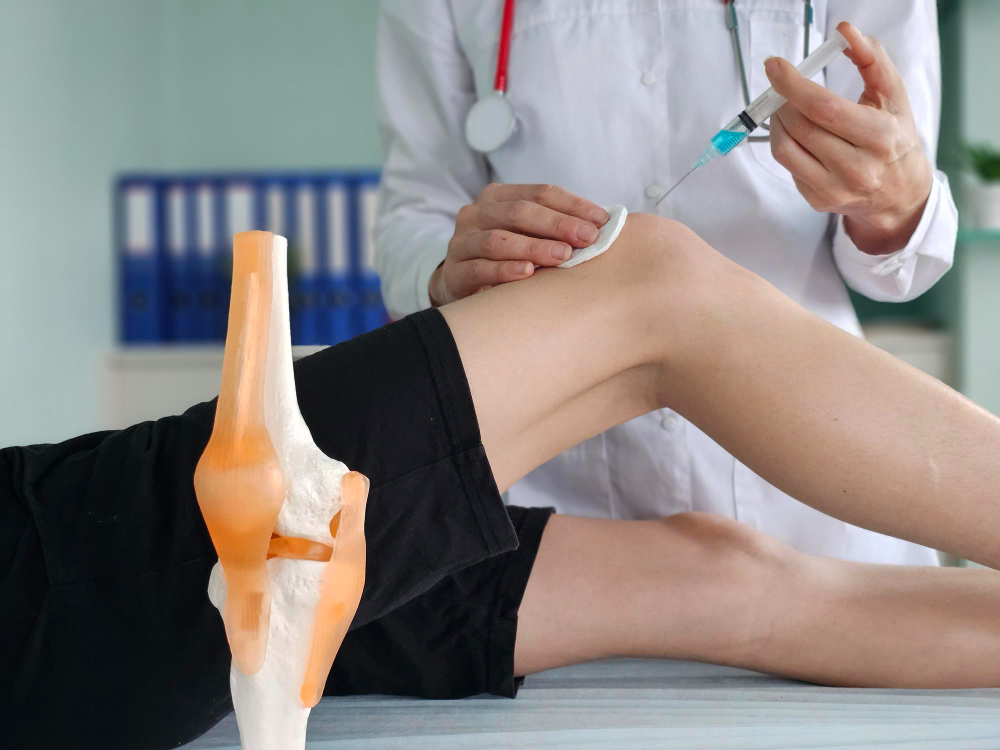
For decades, the orthopedic "playbook" for chronic hip pain has been incredibly boring and often ineffective. A patient walks in, points to a deep ache in their groin or lateral hip, and walks out with a prescription for high-dose Ibuprofen or a scheduled date for a cortisone shot. It’s a "band-aid" culture. While these injections can act as a temporary mute button for inflammation, they almost never address the problem's actual volume knob.

For decades, the orthopedic "playbook" for chronic hip pain has been incredibly boring and often ineffective. A patient walks in, points to a deep ache in their groin or lateral hip, and walks out with a prescription for high-dose Ibuprofen or a scheduled date for a cortisone shot. It’s a "band-aid" culture. While these injections can act as a temporary mute button for inflammation, they almost never address the actual volume knob of the problem.
In modern sports medicine, we are finally moving away from the "poke and hope" method. We are entering an era where the goal isn’t just to stop the hurting for a month, but to actually change the environment inside the joint. If you feel like you’re on a medical treadmill getting relief for six weeks only to have the pain roar back it’s time to look at what’s actually happening under the surface.
The Problem with the "Steroid Cycle"
Cortisone is a powerful anti-inflammatory, no doubt about it. In the short term, it can feel like a miracle. But it is a treatment of diminishing returns. The more you get, the less they work. Even worse, recent clinical data suggests that repeated steroid injections can actually lead to "chondrotoxicity" basically, the steroid starts to eat away at the very cartilage it’s supposed to be protecting.
If you are dealing with chronic hip pain, you’ve probably noticed those windows of relief getting shorter and shorter. This isn't because your hip is "broken" beyond repair; it’s because the treatment is chemical, but the problem is often mechanical. We need to stop masking the smoke and start looking at the fire.
Regenerative Medicine: The New Standard
The most exciting shift in orthopedics is the move toward biological restoration. Instead of injecting a synthetic chemical to suppress the immune system, we are looking at how to help the body stabilize itself.
Dr. Lawyer’s specific focus on cartilage regeneration therapy and repair is a perfect example of this shift. When the cartilage in the hip starts to thin whether from an old labral tear or early-stage wear the joint loses its "glide." Modern approaches aim to support the remaining tissue and optimize the joint fluid. It’s the difference between just oiling a rusty hinge and actually fixing the alignment of the door. Is it Arthritis, or Something Else?

The word "arthritis" is often thrown around as a catch-all diagnosis, but it’s frequently lazy. Chronic hip pain can be caused by femoroacetabular impingement (FAI), bursitis, or even referred pain from a disc in your lower back. Treating all of these with the same generic cortisone shot is a mistake.
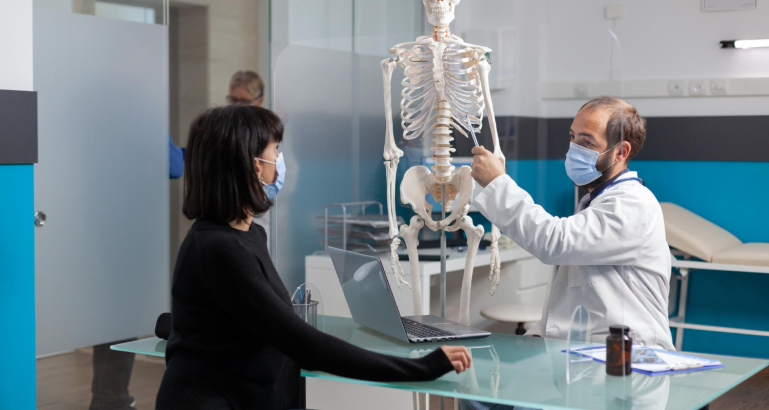
This is why a second opinion on hip pain is so valuable. A specialist with a fresh set of eyes might look at your MRI and see a subtle bone spur or a labral tear that the initial radiologist glossed over. If the "why" of your pain is mechanical, a chemical injection will never be a long-term fix. You need a plan that addresses how your hip actually moves.
Biomechanics Over Band-Aids
We often treat the hip like a simple ball-and-socket, but it’s controlled by some of the most powerful muscles in the human body. Often, hip pain persists because the glutes and core have "shut down" due to pain, causing the joint to take a beating it wasn't designed for.
Long-term joint health is about stability. Much like the precision required for recovery from ACL surgery, hip recovery requires retraining your body to unload the joint. If you can fix the way you move, you can often stop the degradation of the cartilage entirely.
The Virtual Path to Clarity
Most people stay stuck in the "steroid cycle" because the alternative seems exhausting more appointments, more driving, more waiting rooms. However, the rise of virtual orthopedic consultations has leveled the playing field.
A virtual second opinion allows a board-certified expert to look at the MRI images you already have and give you a straight answer. Are you actually a candidate for regenerative therapy? Is that "impingement" really the cause of your pain? You can get these answers without leaving your house. It’s about getting a specialist's brain, not just their prescription pad.
The Bottom Line
Cortisone has a role, but it shouldn't be the only role. From advanced biological treatments to high-level biomechanical retraining, the options for chronic hip pain have never been better. Don't let a "standard" treatment plan keep you from a modern recovery.
Stop Guessing. Start Healing.
If your current hip treatment has hit a dead end, it’s time for a professional "second look." Connect with a specialist who understands the latest in regenerative care and joint preservation.
Book Your Virtual Hip Consultation Now


Recent Blogs

Categories
- Counselling(0)
- Latest(5)
- Second Opinion On(2)
- Orthopedics(0)